23 May 2026
Archive Patterns Exposing Casino Service Adaptations Through Resource Logs
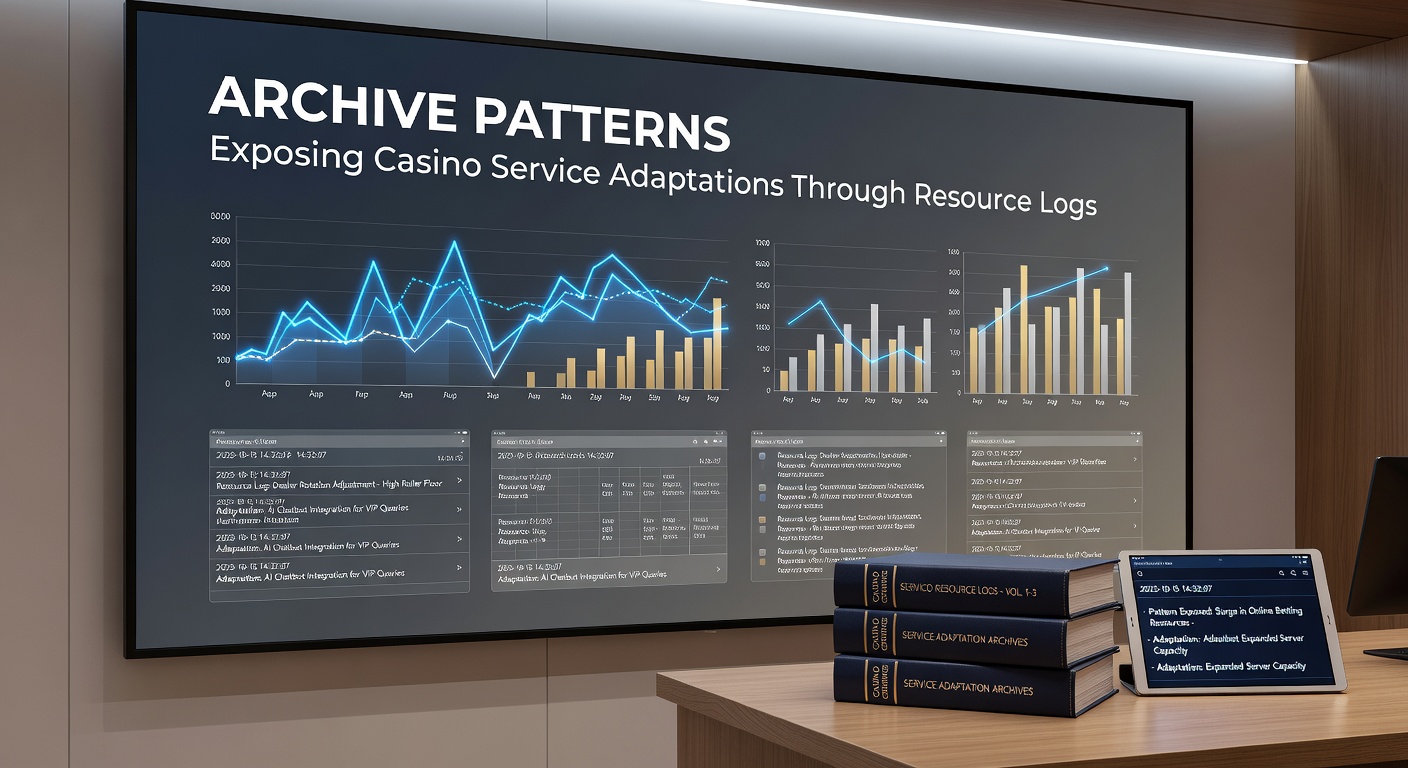
Resource logs from online casino platforms contain detailed records of server activity, memory usage, and request patterns that reveal how services adjust to changing demands, regulatory requirements, and player volumes over extended periods, and analysts examining archived data sets have identified recurring sequences that correspond to specific operational shifts.
Understanding Resource Log Structures in Casino Environments
Casino platforms generate continuous streams of log entries that track CPU allocation, database query response times, and network throughput, while archived versions of these logs preserve chronological sequences that span multiple years, allowing researchers to trace gradual modifications in service architecture without relying on real-time monitoring alone. These archives typically store compressed files organized by date ranges, and patterns emerge when multiple files are cross-referenced to show spikes in resource consumption that align with promotional events or compliance updates.
One study of archived logs from major platforms indicated that memory usage patterns shifted noticeably following the introduction of new game modules, and these changes appeared consistently across different operators using similar backend frameworks. Observers note that such shifts often precede visible player-facing updates by several weeks, suggesting that backend adaptations occur first as operators test stability before full deployment.
Patterns Indicating Service Scaling and Load Balancing
Archived resource logs frequently display repeating cycles where server clusters increase their active node counts during high-traffic periods, and these cycles become evident when analysts compare log entries from consecutive months across multiple years. For instance, patterns recorded in early 2025 showed sustained elevations in concurrent connections that prompted operators to activate additional virtual instances, a response that repeated with greater frequency by May 2026 as platforms prepared for seasonal player influxes.
Data from regulatory submissions in Canada demonstrates that operators must maintain detailed logs to prove their systems handle peak loads without service interruption, and the Alcohol and Gaming Commission of Ontario has referenced these records during compliance reviews to verify that scaling mechanisms activate automatically based on predefined thresholds. Archived patterns from these submissions reveal that operators adjusted their load-balancing algorithms twice between 2024 and 2026 to accommodate increased mobile traffic.
Adaptations Linked to Regulatory and Security Changes
Resource logs also expose how casino services modify authentication and encryption processes when new regulations take effect, and archived sequences from platforms operating under multiple jurisdictions show synchronized increases in processing overhead following rule updates. In May 2026 several European operators implemented enhanced transaction verification steps that produced measurable rises in CPU cycles per login attempt, patterns that appear consistently in logs dated after the regulatory announcements.
Those examining these archives have connected the timing of such increases to specific policy announcements from bodies like the New Jersey Division of Gaming Enforcement, where operators must demonstrate through log analysis that security adaptations do not degrade overall system performance. Compliance documents from that agency highlight how archived resource data serves as evidence during audits that operators maintain required service levels while incorporating new safeguards.
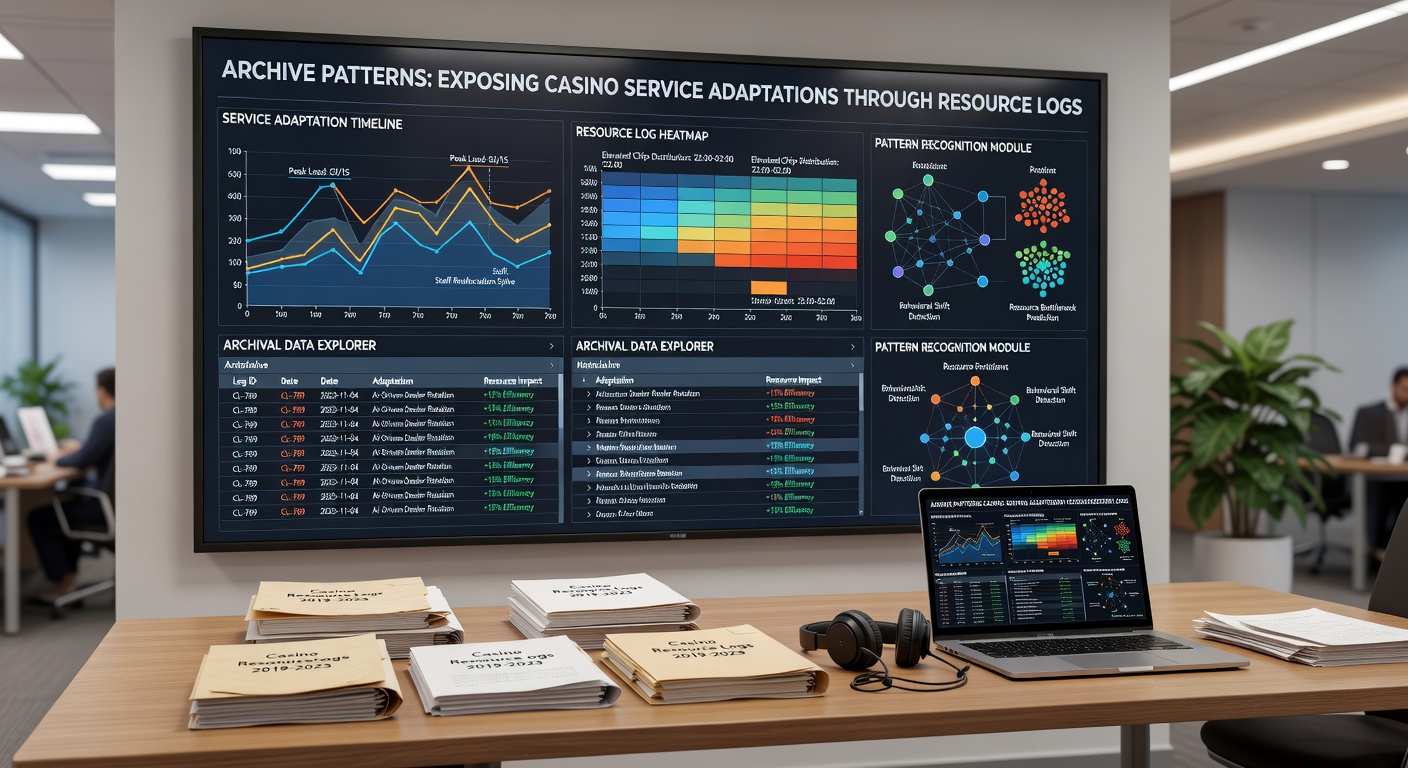
Case Examples from Platform Archives
One documented case involved a platform that transitioned its bonus distribution system in response to updated responsible gaming guidelines, and archived logs captured the gradual rollout through incremental changes in database write operations that began months before the public announcement. Researchers discovered that these preparatory adjustments reduced average response times by reallocating resources away from less critical background processes, a sequence visible only through longitudinal archive analysis.
Another example emerged from logs maintained by operators in Australia, where patterns indicated that services adapted their payout verification modules following industry-wide discussions on transaction transparency. The archives showed temporary spikes in validation queries that later stabilized as the new modules integrated more efficiently with existing infrastructure, demonstrating how operators use log data to refine adaptations over successive iterations.
Technical Methods for Extracting Adaptation Insights
Analysts apply time-series analysis and anomaly detection algorithms to archived resource logs to isolate adaptation events from routine fluctuations, and these methods rely on comparing baseline metrics against periods of documented change. Visualization tools often highlight clusters of elevated activity that correspond to service modifications, allowing teams to map the sequence of backend updates without direct access to source code repositories.
Platforms that retain logs for extended periods gain the ability to benchmark their own adaptations against industry averages derived from aggregated public data sets, and this practice has become standard among operators seeking to optimize resource allocation while meeting external reporting obligations.
Conclusion
Archived resource logs provide a factual record of how casino services evolve their technical infrastructure in response to operational, regulatory, and market pressures, and systematic examination of these patterns continues to yield insights into the timing and nature of adaptations across the sector. As data retention practices advance, the value of such archives for understanding service evolution grows accordingly.