23 Jul 2026
Blockchain Currencies Alter Casino Payment Mechanisms and Data Repositories

Digital currencies have steadily integrated into casino operations since the early 2020s, prompting operators to revise their payment systems and record-keeping methods in measurable ways. Transaction protocols now incorporate distributed ledger technology to handle deposits and withdrawals with reduced intermediary steps, while player resource archives shift toward immutable logs that track activity across multiple sessions without centralized storage vulnerabilities. Research from academic institutions shows these changes affect processing speeds and data accessibility in documented patterns across various jurisdictions.
Payment Protocol Adjustments Through Distributed Ledgers
Casino platforms adopted cryptocurrency gateways to streamline fund movements, and this adoption accelerated when operators observed consistent reductions in settlement times compared to traditional banking routes. Protocols built on blockchain networks allow direct wallet-to-wallet transfers that bypass some conventional clearing houses, resulting in confirmation windows that range from seconds to minutes depending on network congestion levels. Data from industry reports indicate that platforms implementing these methods recorded transaction volumes rising steadily through 2025 and into July 2026, with particular growth in regions where regulatory frameworks clarified digital asset usage for gaming operators.
Encryption layers combined with smart contract verification create audit trails that record each step of a transaction, and these trails remain accessible for compliance checks without requiring manual reconciliation across separate databases. Observers note that such systems reduce certain categories of reconciliation errors that previously appeared in fiat-based ledgers, although network fees fluctuate based on overall blockchain activity at any given moment. One study from a Canadian research group documented average cost savings per transaction when operators switched select payment rails to established cryptocurrencies during peak periods.
Archival Systems Evolving With Immutable Records
Player resource archives traditionally relied on centralized servers that stored betting histories, bonus allocations, and account balances in relational databases, yet blockchain integration introduced alternative storage models where selected data points move onto distributed networks. These models create timestamped entries that resist retroactive alteration, and operators gain the ability to reference complete transaction sequences through cryptographic hashes rather than multiple cross-referenced files. Figures from European gaming associations reveal increased adoption of hybrid archive structures that combine on-chain verification for high-value movements with off-chain databases for routine gameplay metrics.
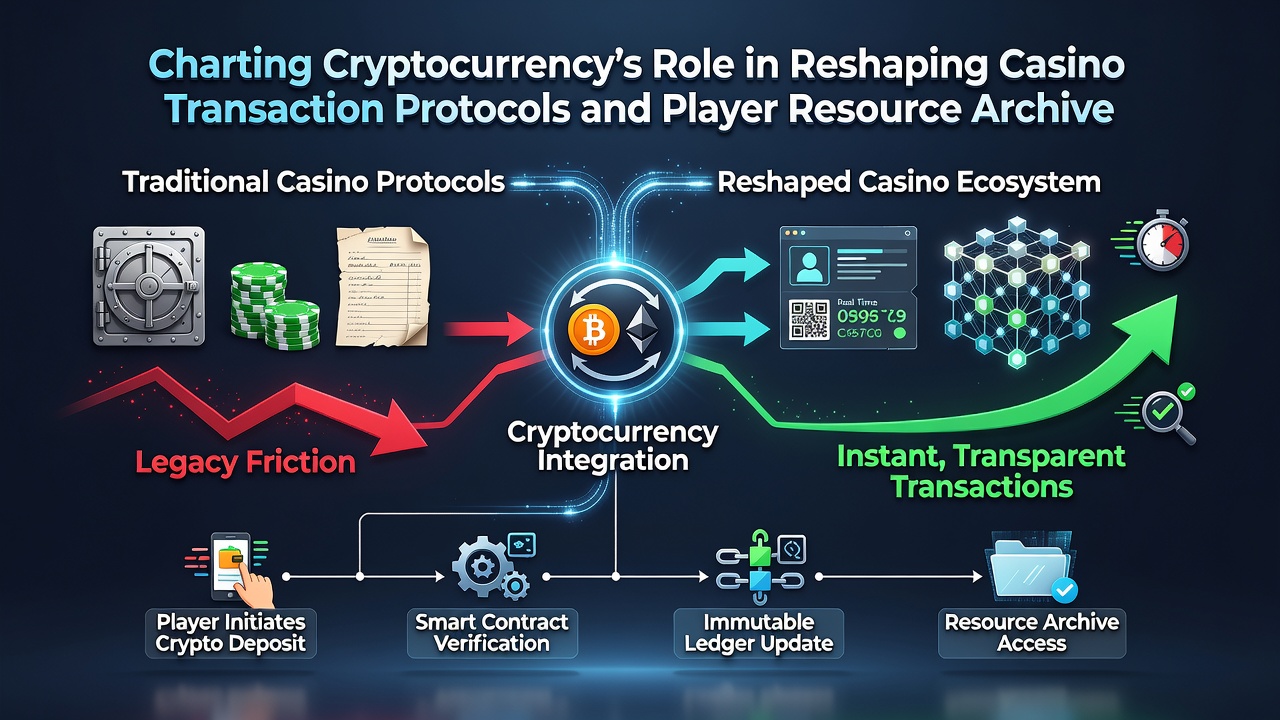
Resource logs now incorporate wallet addresses alongside traditional identifiers, and this addition enables faster cross-platform verification when players move between licensed sites under shared regulatory oversight. Researchers at Australian academic centers examined archive access patterns and found that distributed ledger components shortened retrieval times for historical transaction queries during regulatory audits conducted in early 2026. Security protocols built around public-private key pairs further restrict unauthorized access while maintaining transparency for authorized parties who hold the necessary credentials.
Regulatory and Technical Intersections in 2026
By July 2026 several licensing bodies outside the United Kingdom updated their technical standards to address cryptocurrency handling, and these updates required operators to demonstrate wallet custody procedures alongside standard financial reporting. Protocols must now support multi-signature approvals for larger transfers, while archival systems incorporate export functions that produce verifiable snapshots for oversight committees. Industry organizations such as the European Gaming and Betting Association published guidelines that outline minimum encryption standards for both transaction flows and stored player data when digital currencies participate in the process.
Technical implementations vary by platform size, and smaller operators often partner with third-party providers that manage both the blockchain interfaces and the corresponding archive synchronization tools. Larger enterprises tend to develop in-house solutions that integrate existing customer management systems with new ledger modules, and these integrations allow real-time balance updates without duplicating data across separate environments. Reports from the Malta Gaming Authority detail successful pilot programs where operators tested such hybrid setups before full rollout across their player bases.
Conclusion
Transaction protocols and player resource archives continue to incorporate blockchain elements at measurable rates, driven by processing efficiencies and compliance requirements that emerged through 2025 and 2026. Distributed ledger features provide verifiable records that support both operational needs and regulatory examinations, while archival approaches gain resilience through cryptographic methods that complement traditional database structures. Ongoing developments in network scalability and regulatory clarity will shape further refinements in these areas across global casino markets.