11 Jul 2026
Charting Video Game Evolution Through Legacy Records and Community Insight Archives
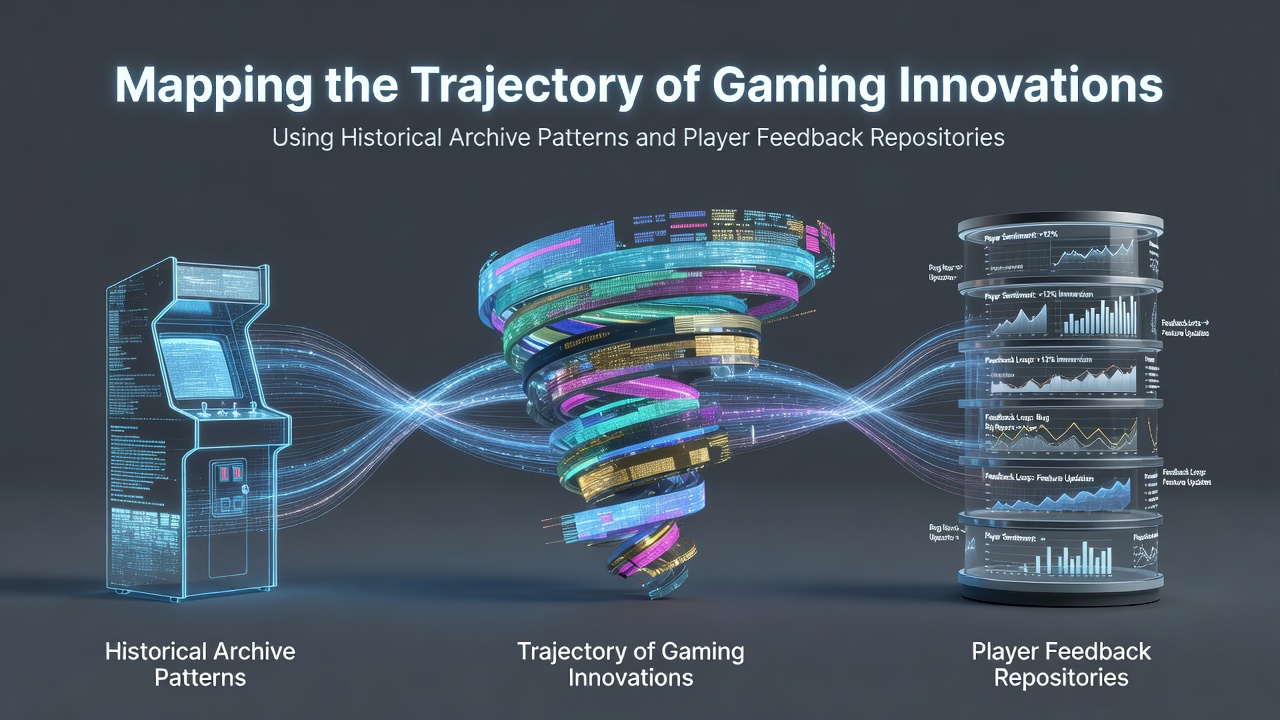
Researchers have long examined patterns in archived game development logs, patch notes, and design documents to trace how interactive entertainment has advanced over decades, and these records reveal consistent cycles of hardware-driven leaps followed by software refinements that reshape player experiences. Data from industry reports show that between 2010 and 2025 console generations introduced ray tracing, solid-state storage, and cloud streaming at predictable intervals, while player feedback collections from forums, review aggregators, and telemetry systems provided the raw material for identifying which features gained traction and which faded quickly.
Patterns Emerge From Archived Development Cycles
Analysis of preserved source code repositories and internal milestone documents demonstrates that major studios followed similar trajectories when adopting new rendering techniques or physics engines, with each cycle building directly on lessons documented in prior projects. Observers note that early adoption phases often coincided with hardware announcements from manufacturers such as Sony and Microsoft, after which refinement periods stretched across multiple titles as teams adjusted mechanics based on aggregated user reports. Studies conducted at universities including the Massachusetts Institute of Technology have quantified these intervals, finding that successful innovations typically required three to five years before appearing in mainstream releases.
Archived telemetry from online titles further illustrates how multiplayer infrastructure evolved, moving from dedicated servers in the early 2000s to hybrid peer-to-peer models and later to fully cloud-orchestrated sessions. Those who have reviewed these logs point out that player complaints about latency and matchmaking directly influenced the shift toward improved netcode standards visible in titles released after 2018.
Player Feedback Repositories Supply Critical Signals
Repositories maintained by platforms such as Steam, Epic Games Store, and console networks compile millions of reviews, bug reports, and usage statistics that researchers cross-reference with historical archives to separate fleeting trends from lasting design shifts. Evidence from these collections indicates that features like adaptive difficulty systems and procedural generation gained widespread implementation only after repeated positive signals appeared across multiple game categories. According to data compiled by the Entertainment Software Association, titles incorporating player-suggested accessibility options saw measurable increases in retention metrics between 2022 and 2025.
One documented case involved a major open-world franchise that altered its quest structure after repository analysis revealed consistent player drop-off points at specific narrative branches. Developers adjusted pacing in subsequent entries, and follow-up telemetry confirmed higher completion rates. Such examples show how feedback repositories function as living extensions of static archives, supplying the granular detail required to validate or refute assumptions drawn from older records.
Integration of Archives and Feedback in 2026
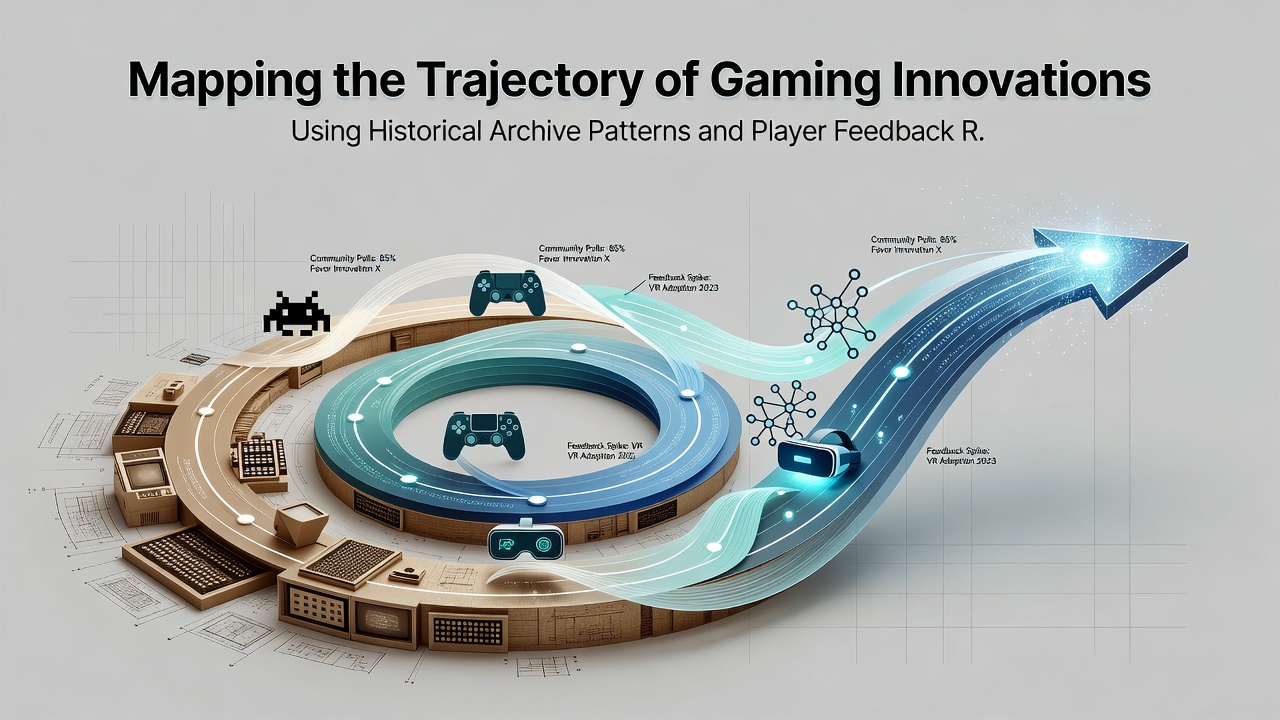
By July 2026 analysts had begun applying machine-learning models trained on combined archive and repository datasets to forecast which emerging technologies would likely follow established adoption curves. Reports from European digital economy observatories indicate that virtual production tools and AI-assisted narrative generation followed patterns nearly identical to those observed during the transition to physics-based animation in the mid-2000s. These models also flagged potential friction points, such as community resistance to certain procedural elements, allowing studios to adjust implementation timelines before launch.
Cross-referencing continues to highlight regional variations. Australian government digital content studies, for instance, show faster uptake of mobile-cloud hybrid gaming in that market compared with North American patterns, a difference traceable to distinct feedback profiles preserved in local platform repositories. Researchers continue to refine mapping techniques by layering additional data sources including esports match logs and modding community archives.
Conclusion
The combination of historical archive patterns with player feedback repositories has produced a functional framework for understanding how gaming innovations propagate through the industry. Continued collection and analysis of these resources will likely support more precise predictions about future technological integration, provided access to comprehensive datasets remains available across platforms and regions.