29 Jun 2026
Cultural Nuances and Their Impact on Casino Preferences Globally
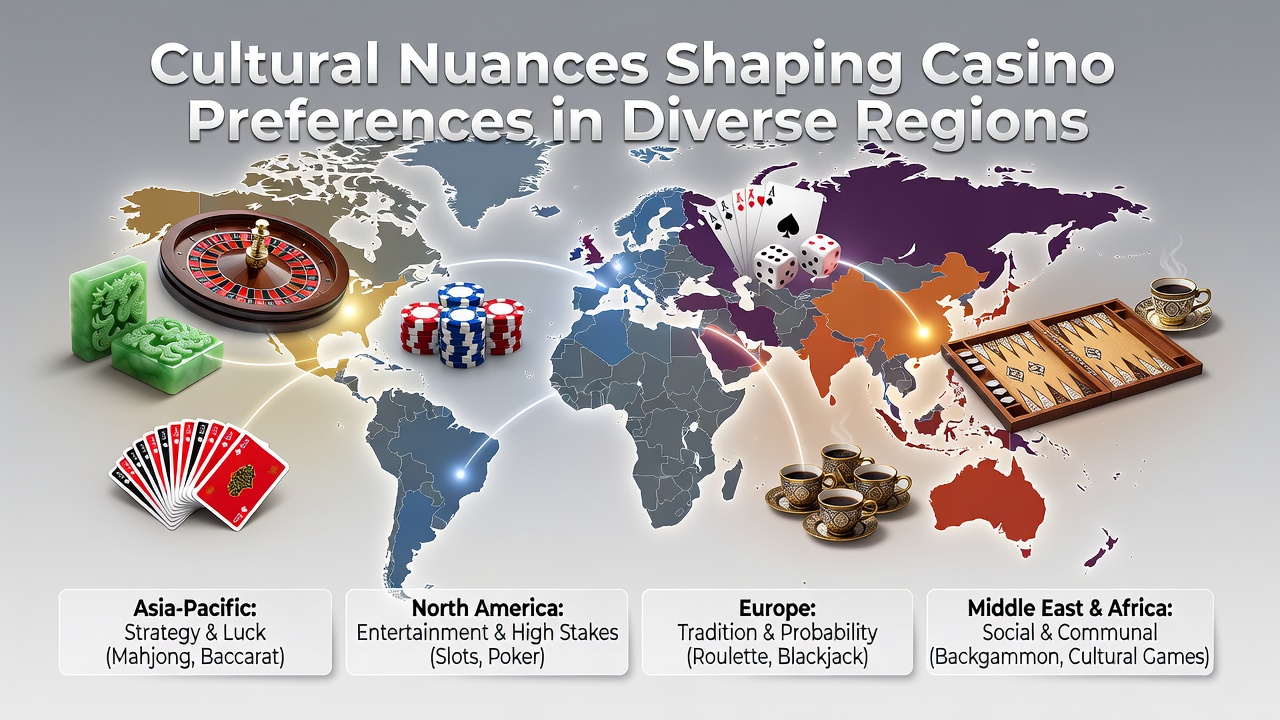
Regional customs and historical practices continue to shape how populations approach casino gaming across continents, with preferences often tracing back to longstanding traditions rather than modern marketing alone. Observers note that in East Asia, games emphasizing luck and numerology attract strong followings while Western markets lean toward skill-based or social formats that align with different social norms. Data from regulatory bodies shows these patterns persist even as online platforms expand access worldwide.
East Asian Markets and Symbolism in Game Selection
Players in Macau and surrounding regions demonstrate clear preferences for baccarat and sic bo, games where red envelopes and lucky numbers play central roles during festivals. Government statistics from the Casino Regulatory Authority of Singapore indicate that table games tied to fortune-telling elements maintain higher participation rates compared to slots, reflecting cultural values around fate and collective celebration. In June 2026, tourism reports project continued growth in these preferences as regional holidays align with major gaming events.
Japanese pachinko culture carries over into electronic gaming habits, where repetitive mechanical actions and prize exchange systems mirror daily entertainment routines. Researchers at the University of Tokyo have documented how these patterns influence slot machine designs that incorporate similar reward cycles without direct monetary payouts in certain venues.
European Historical Ties to Table Games
France and Germany maintain strong connections to roulette and blackjack, formats that emerged from aristocratic salons and military pastimes centuries ago. Industry data compiled by the European Gaming and Betting Association reveals that live dealer versions of these classics retain steady engagement because they replicate social rituals still valued in Mediterranean and Central European settings. Venues often incorporate architectural elements reminiscent of historical gaming houses to reinforce these links.
Scandinavian markets show higher adoption of digital lottery-style games that parallel national welfare systems and communal prize pools. Reports from the Norwegian Gaming Authority highlight how regulatory frameworks adapt to these preferences by emphasizing transparency and collective benefit structures over individual high-stakes play.
North American and Latin American Variations
United States casino floors emphasize slot machines and video poker, formats that align with individual pacing and quick decision-making valued in many domestic entertainment contexts. Figures from the Nevada Gaming Control Board demonstrate that electronic gaming devices account for the majority of revenue in major resort destinations, while table games cluster in specific demographic segments. Canadian provinces exhibit similar patterns yet incorporate elements drawn from indigenous gaming traditions that predate European contact.
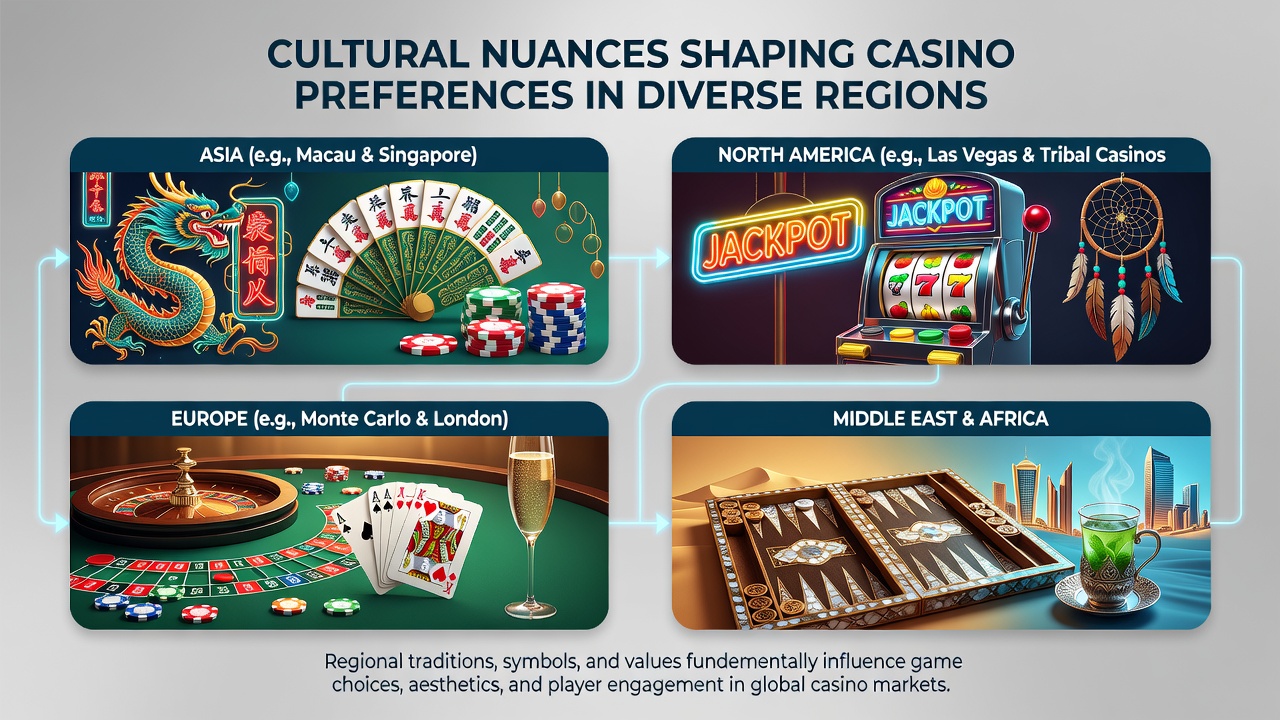
Latin American countries display mixed influences, with Caribbean markets favoring craps and poker variants that echo communal storytelling practices. Mexican regulatory updates in recent years show rising interest in skill-based tournaments that blend local festival competition styles with international tournament structures. Academic studies from the Universidad Nacional Autónoma de México track how these hybrids emerge where economic conditions intersect with longstanding social customs.
Payment Methods and Social Contexts
Cultural attitudes toward money and privacy affect preferred transaction types, with cash-heavy societies showing slower uptake of digital wallets compared to regions accustomed to electronic banking. Australian research published through the Productivity Commission links these choices to broader patterns of financial caution shaped by historical economic events rather than casino policies alone.
Group-oriented cultures often prioritize games that allow shared decision-making or spectator participation, whereas individualistic settings favor solitary play options. Gaming association reports across multiple jurisdictions confirm that floor layouts and game pacing adapt accordingly, with some venues designing spaces that accommodate extended family groups while others create zones for focused individual sessions.
Conclusion
Patterns documented by regulatory agencies and academic institutions illustrate how deeply embedded customs guide casino preferences even amid technological shifts. Regional differences in game selection, social interaction styles, and transaction methods persist because they connect directly to established cultural frameworks. As markets evolve through 2026 and beyond, these nuances continue to inform both physical venue design and digital platform features across diverse populations.