16 Jul 2026
Geographic Variations Drive Uneven Crypto Integration in Specialized Online Gambling Networks
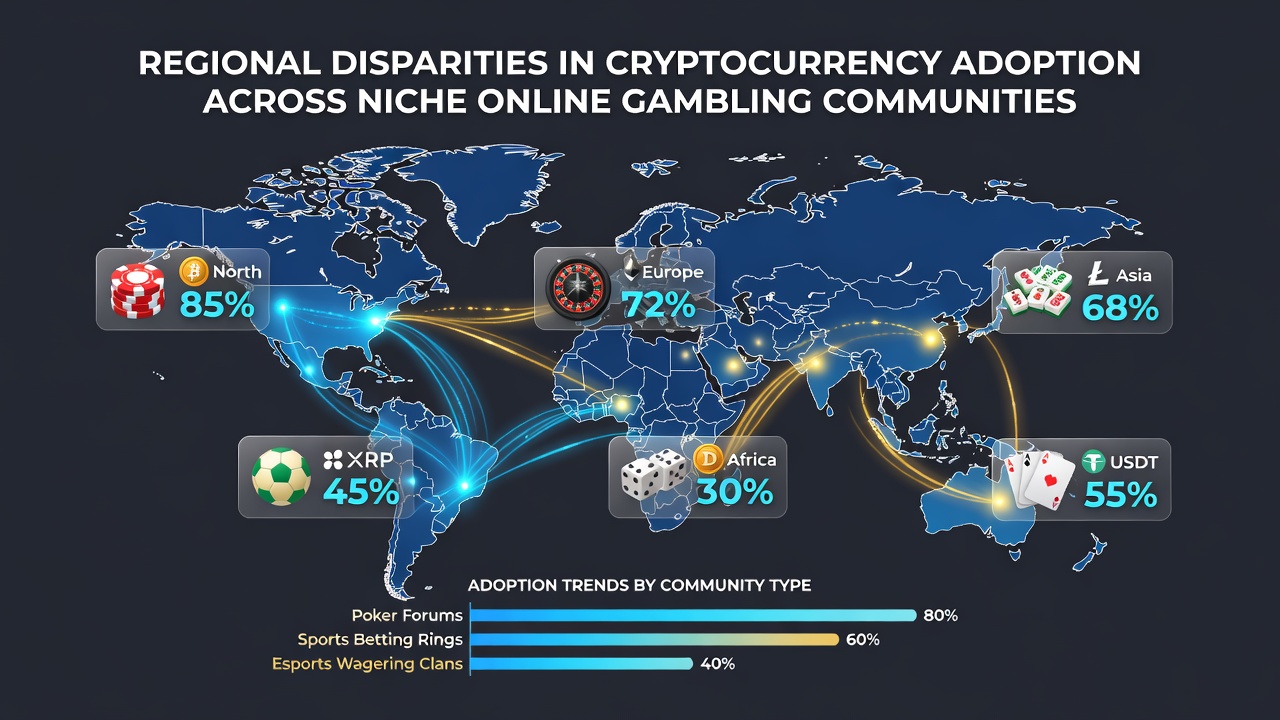
Regional differences continue to shape how cryptocurrency finds its way into niche online gambling communities, where specialized groups focus on particular games like high-stakes poker variants or themed slot discussions. Data from mid-2025 through July 2026 shows adoption rates varying sharply between Asia-Pacific clusters and North American forums, driven by regulatory environments, internet infrastructure quality, and local financial habits rather than uniform global trends. Observers note that communities centered on decentralized betting protocols often mirror broader economic conditions in their home regions, with faster uptake where traditional banking faces friction.
Asia-Pacific Clusters Show Accelerated Uptake
Communities in parts of Southeast Asia and East Asia demonstrate higher integration of digital assets into gambling platforms, particularly in forums dedicated to esports betting and private table games. Research indicates that regulatory clarity in jurisdictions like Singapore and certain Australian territories has encouraged wallet-based transactions, allowing users to bypass slower payment rails. Figures reveal that by early 2026, participation in crypto-enabled niche groups rose notably where mobile penetration exceeds 85 percent, connecting players through dedicated Discord servers and Telegram channels. Yet infrastructure gaps in rural areas limit broader access, creating pockets of high activity alongside regions where adoption stalls.
One study from academic researchers at institutions tracking digital finance patterns found that niche communities in these zones often experiment with stablecoins for cross-border wagers, reducing exposure to local currency volatility. This approach appears in groups focused on Asian poker variants, where participants coordinate through encrypted apps and settle outcomes on public ledgers. External factors such as government-backed digital currency pilots further influence these trends, though results differ by country.
North American and European Patterns Reveal Slower Shifts
In contrast, North American niche gambling circles, including those centered on fantasy sports derivatives and private blackjack tables, exhibit more measured crypto adoption. Reports from regulatory bodies highlight how fragmented state-level rules in the United States create hesitation among operators serving these communities, leading many groups to maintain hybrid payment systems. Data shows adoption rates hovering lower than in Asia-Pacific counterparts through July 2026, with users citing concerns over tax reporting and platform compliance.
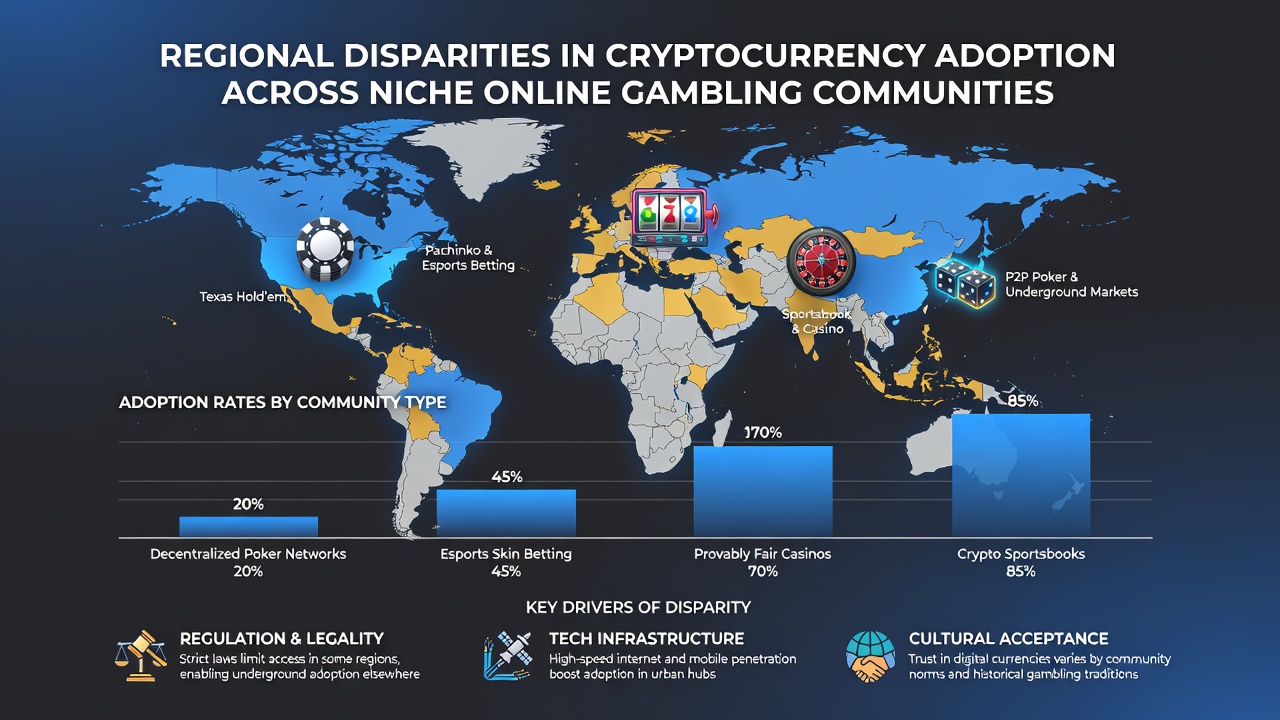
European networks focused on niche roulette strategies and live dealer variants follow similar patterns, though certain Nordic and Baltic forums display pockets of growth tied to established fintech ecosystems. According to information released by the Financial Crimes Enforcement Network, compliance frameworks influence how quickly these groups transition away from fiat options. Observers note that communities here frequently reference academic papers on blockchain scalability when discussing future upgrades, yet practical implementation lags behind more permissive regions.
Factors Behind the Disparities
Multiple elements contribute to these geographic imbalances. Internet speed and smartphone affordability play direct roles, as communities in high-bandwidth areas transition more readily to crypto wallets. Cultural attitudes toward digital finance also matter, with some regions viewing blockchain tools as extensions of existing remittance practices. Industry reports compiled by gaming associations indicate that tax treatment variations across borders further segment adoption, prompting niche groups to form around shared regulatory experiences.
Those tracking these developments point to examples where Australian regulatory updates from the Australian Securities and Investments Commission prompted localized surges in crypto discussions within specialized forums. Meanwhile, communities in parts of Latin America show emerging interest linked to inflation hedging, though data remains fragmented. These patterns underscore how local conditions dictate the pace of change rather than any single global catalyst.
Conclusion
Regional disparities in cryptocurrency adoption within niche online gambling communities reflect a complex interplay of regulation, technology access, and economic context. Patterns observed through July 2026 suggest continued divergence unless infrastructure and policy alignments improve across borders. Tracking these shifts provides insight into how specialized groups adapt digital tools to their particular needs and constraints.