11 Jun 2026
Emerging Payment Innovations Transforming Access in Worldwide Digital Gambling Networks
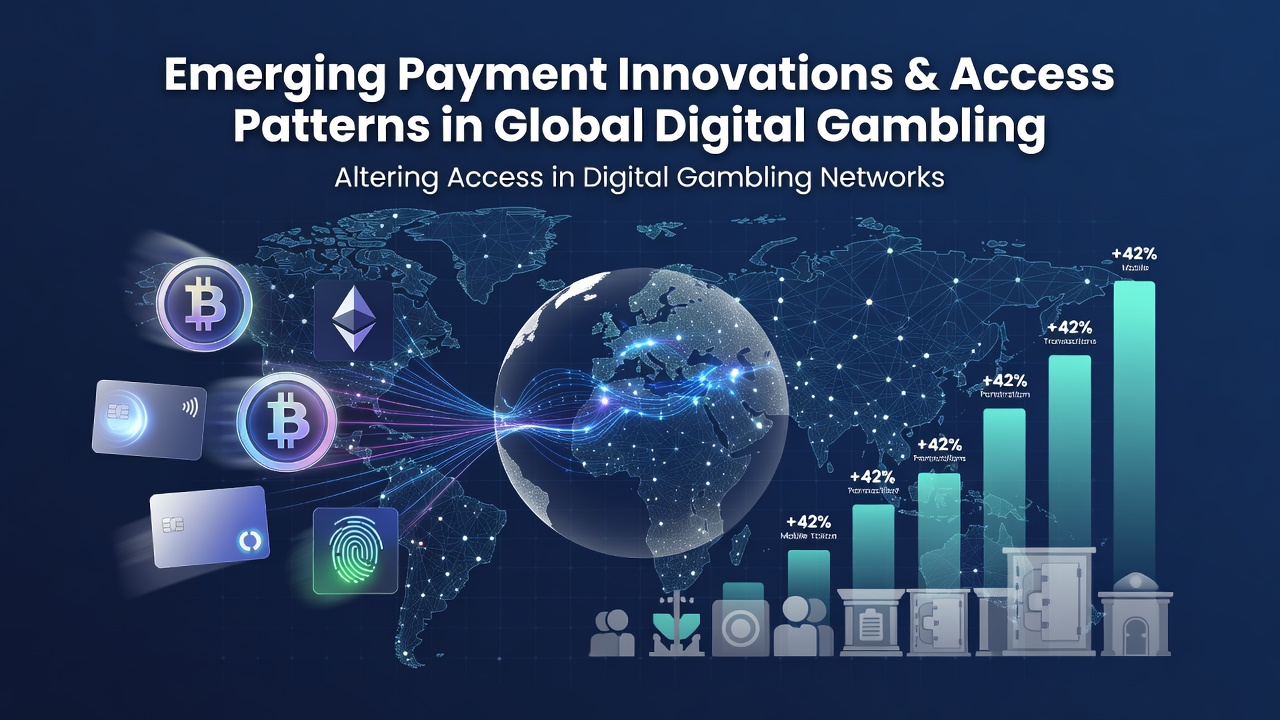 Payment technologies continue to evolve at a rapid pace, and they are reshaping how participants enter and engage with digital gambling platforms across continents. Instant bank transfers, cryptocurrency wallets, and mobile payment applications now facilitate quicker deposits and withdrawals while expanding reach into regions where traditional banking channels once created barriers. Research from the European Gaming and Betting Association shows adoption rates for these methods climbed steadily through early 2026, with many operators reporting that over half of new user registrations involved non-traditional payment rails by June of that year. Operators in Asia and Latin America have integrated e-wallet solutions that bypass local currency restrictions, allowing players from markets with limited credit card penetration to connect directly. Data from the Australian Communications and Media Authority indicates cross-border transaction volumes in regulated online gambling grew 28 percent between 2024 and 2026, driven largely by stablecoin options that reduce conversion fees and settlement delays. These changes alter access patterns because users no longer need established bank accounts or face multi-day processing windows before funds become playable.
Payment technologies continue to evolve at a rapid pace, and they are reshaping how participants enter and engage with digital gambling platforms across continents. Instant bank transfers, cryptocurrency wallets, and mobile payment applications now facilitate quicker deposits and withdrawals while expanding reach into regions where traditional banking channels once created barriers. Research from the European Gaming and Betting Association shows adoption rates for these methods climbed steadily through early 2026, with many operators reporting that over half of new user registrations involved non-traditional payment rails by June of that year. Operators in Asia and Latin America have integrated e-wallet solutions that bypass local currency restrictions, allowing players from markets with limited credit card penetration to connect directly. Data from the Australian Communications and Media Authority indicates cross-border transaction volumes in regulated online gambling grew 28 percent between 2024 and 2026, driven largely by stablecoin options that reduce conversion fees and settlement delays. These changes alter access patterns because users no longer need established bank accounts or face multi-day processing windows before funds become playable.Core Technologies Driving the Shift
Several innovations stand out in current market reports. Blockchain-based ledgers provide transparent transaction trails that appeal to both regulators and users seeking verifiable fairness, while embedded finance features inside mobile apps let participants fund accounts through everyday services such as ride-sharing credits or streaming subscriptions. Observers note that these tools lower the threshold for entry in emerging economies where smartphone ownership outpaces formal banking relationships. Central bank digital currencies represent another frontier under active testing. Pilot programs in multiple jurisdictions during 2025 demonstrated reduced friction for international transfers, and industry analysts project wider rollout by late 2026. The result appears in access statistics: platforms accepting CBDC test versions recorded higher repeat engagement rates compared with those limited to legacy rails, according to figures released by the International Center for Gaming Regulation.Regional Variations in Adoption
Patterns differ sharply by geography. North American markets emphasize integration with existing credit and debit networks alongside emerging real-time payment systems such as FedNow, which shortened average deposit times from hours to seconds. In contrast, Southeast Asian operators lean toward cryptocurrency and local digital wallets to navigate diverse regulatory environments and currency controls. European operators, meanwhile, combine open banking directives with biometric verification to meet strict anti-money laundering standards while maintaining user convenience. A study published by researchers at the University of Macau examined transaction logs from 2023 through mid-2026 and found that regions introducing instant payment interfaces saw participation from previously underrepresented age groups rise by double-digit margins. Those same logs revealed shorter session lengths on average, suggesting users treat gambling more like other forms of digital entertainment when funding occurs seamlessly.