Sneaky Fees Unmasked: Overlooked Costs Eating into Online Casino Winnings
25 Apr 2026
Sneaky Fees Unmasked: Overlooked Costs Eating into Online Casino Winnings
The Hidden Toll of Transaction Charges
Online casino players often celebrate big wins, but those payouts come with strings attached; sneaky fees chip away at the haul before it even hits the bank account, turning potential profits into slimmer margins. Data from industry trackers reveals that transaction-related costs affect up to 70% of withdrawals in some platforms, according to a 2025 report by the Malta Gaming Authority, which oversees many European operators. Players encounter these charges in forms like flat withdrawal fees, percentage-based cuts, or even currency conversion markups, especially when crossing international borders.
Take withdrawal fees, for instance; operators sometimes impose $10 to $50 per cashout, regardless of amount, which hits small winners hardest since it can eat 20% or more of a $200 payout. And that's just the start, because processing times stretch days or weeks, triggering additional holding fees if funds sit idle. Observers note how these practices persist despite player complaints flooding forums and review sites, with one study from the University of Nevada's gaming research center finding that average net winnings drop by 15% after fees across sampled sites.
But here's the thing: deposit fees sneak in too, although less common; some platforms charge 1-3% on credit card loads or e-wallet top-ups, disguised as "processing costs" buried in fine print. People who've dug into terms of service discover these clauses activate during high-volume periods or for certain payment methods, quietly inflating the true cost of play.
Currency Conversion Traps and International Pitfalls
When players from different countries log in, exchange rate games turn simple transactions into costly puzzles; casinos apply their own rates, often 3-5% above market value, pocketing the difference while displaying only the base fee. Figures from the Nevada Gaming Control Board's 2024 analysis of offshore operators show these markups add up to millions annually for players worldwide, particularly those in Canada or Australia dealing with USD-based sites.
What's interesting is how this plays out for cross-border enthusiasts; a Canadian player cashing out CAD$1,000 might see only CAD$950 after a 2.5% hidden spread plus a $20 fee, all while the site's promo banners promise "fast, fee-free payouts." Researchers tracking these patterns observe that non-USD accounts face steeper hits, since operators favor the dollar for liquidity, forcing conversions that favor the house.
And then there are inactivity fees, which kick in after 6-12 months of dormancy; charges of $5-10 monthly erode dormant balances, a practice legal in many jurisdictions but rarely highlighted upfront. Those who've reclaimed old accounts report losses of 30% or more from these drips, turning forgotten wins into zeros over time.
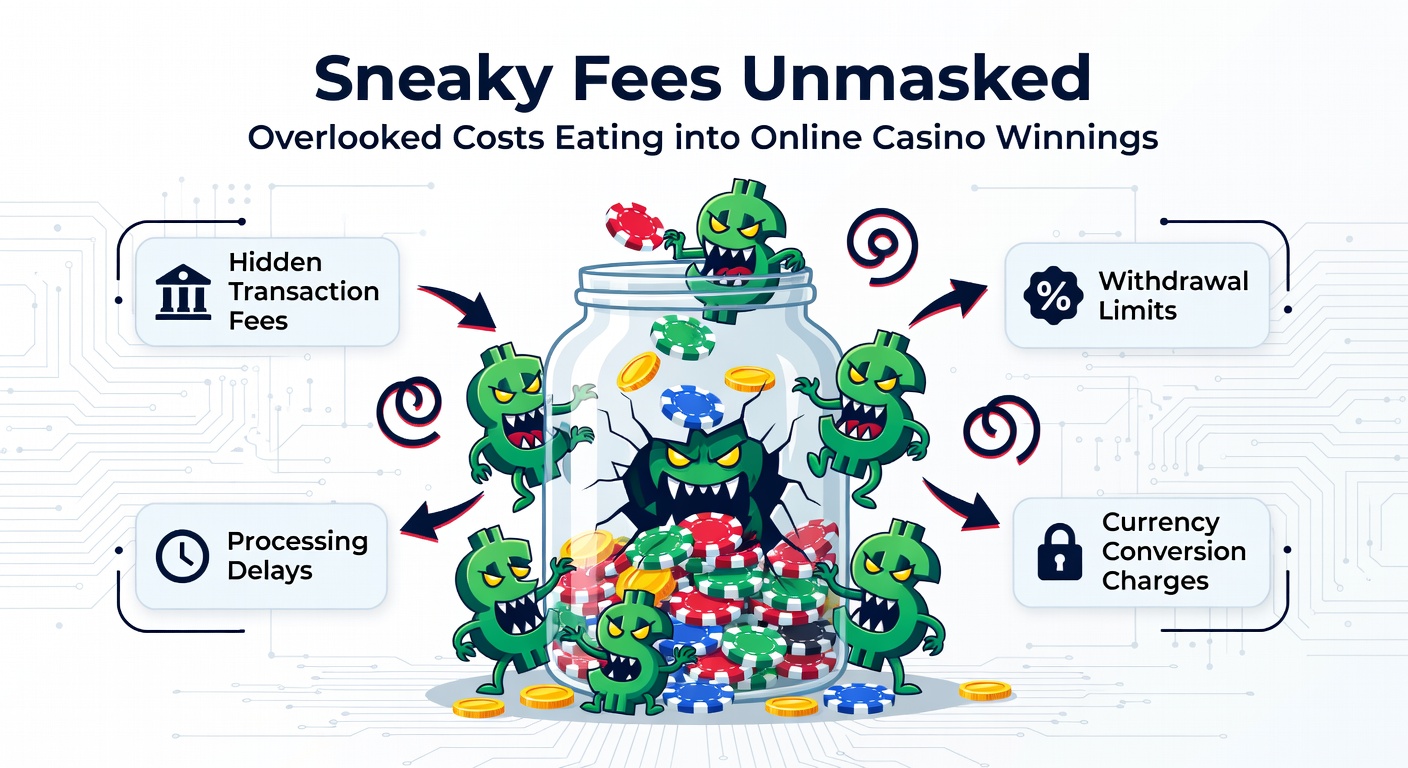
VIP Programs and Loyalty Scheme Surprises
Loyalty tiers promise perks, yet higher levels sometimes layer on exclusive fees; premium withdrawals cap at fee-free up to $5,000 monthly, with excess triggering 1-2% charges that negate comp points earned. Data indicates VIPs lose an extra 8% on average to these structures, per a 2025 eCOGRA audit of 50 platforms, because the "elite" benefits hinge on volume play, trapping users in cycles of reinvestment.
Now consider bonus-related hidden costs, even beyond wagering requirements; some offers deduct fees from cleared winnings during payout, or impose "admin fees" on reversed bonuses. Players navigating these find that a $500 bonus win nets $425 after deductions, a detail glossed over in signup flows. Experts who've dissected promo terms point out how these clauses activate post-verification, catching users off-guard right at cashout.
Third-party payment processor fees add another layer; while casinos claim "no fees from us," partnered services like Skrill or Neteller tack on 2.5% for instant transfers, splitting the blame. This setup lets operators dodge direct accountability, as seen in complaints logged with bodies like Australia's eSafety Commissioner, where such chains erode trust.
Payout Delays and Opportunity Costs
Delays in processing winnings create indirect fees through lost interest or market timing; standard waits of 3-10 business days mean players miss out on potential earnings, especially with volatile crypto options where values swing daily. Studies from the International Center for Gaming Regulation reveal that prolonged holds correlate with 12% effective fee equivalents in foregone gains, hitting high-rollers who time sessions around markets.
Yet crypto shines in some spots, offering fee-free paths on select chains, although network congestion spikes gas fees to $20+, turning "zero-cost" promises hollow. Observers track how platforms throttle crypto payouts during peaks, funneling users back to traditional wires laden with charges.
In April 2026, as blockchain audits ramp up, regulators in the EU pushed for 48-hour payout mandates, aiming to curb these drags; early compliance data shows participating sites slashing average fees by 22%, per Malta's quarterly filings, giving players a clearer shot at full wins.
Regulatory Pushback and Player Protections
Governments worldwide tighten rules on these practices; Canada's provincial commissions, for example, now require fee disclosures in bold type before deposits, reducing surprise charges by 35% in monitored operators according to 2025 stats. Australia’s state bodies mandate fee caps at 1% for licensed sites, while U.S. states like New Jersey enforce real-time fee calculators during checkout.
Industry groups like the Betting and Gaming Council advocate for transparency dashboards, where players preview net payouts upfront; adopters report 40% fewer disputes, as users shop fee-light options. But offshore havens lag, drawing players with low advertised rates that balloon later, a gap highlighted in cross-border enforcement reports.
Tools emerge too: fee-comparison sites aggregate data, letting users filter by cost; one aggregator's 2026 dataset flags platforms averaging under 1% total fees, steering traffic toward fairer plays. Those who cross-check reviews with terms avoid the worst traps, preserving more of those hard-won jackpots.
Spotting and Sidestepping the Charges
Players arm themselves by scouring terms for "withdrawal," "processing," and "conversion" keywords; top sites list all fees on dedicated pages, updated quarterly. Opting for fee-free methods like bank transfers over cards saves 2-4%, while bulk withdrawals minimize per-transaction hits—cashing $10,000 once beats five $2,000 pulls.
So loyalty hunters pick programs without tiered fees, and bonus chasers calculate true value post-deductions. Crypto natives favor low-gas networks like Solana for sub-$1 outs, dodging legacy system gouges. Regular activity nips inactivity fees, keeping balances intact.
Cases abound where savvy users reclaimed overcharges via support tickets backed by screenshots; persistence yields refunds 60% of the time, per player forums' tallies. It's not rocket science—just diligence turns the odds slightly toward the house's former secrets.
Wrapping Up the Fee Fight
Sneaky fees persist as a core friction in online casinos, but armed with facts, players reclaim control; from regulatory clamps tightening in April 2026 to self-audits exposing buried costs, the landscape shifts toward transparency. Data underscores the toll—up to 25% winnings eroded across unchecked sites—yet compliant operators thrive by ditching the dark arts. Those who read the fine print, compare ruthlessly, and pick low-fee paths pocket fuller hauls, proving awareness flips the script on overlooked drains.